* Please note that the prices are just general averages and do not reflect on our own prices.
How much is private dental care? This question has become increasingly relevant as 90% of NHS surgeries are no longer accepting new adult patients, according to BBC reports. With more people turning to private options, understanding the costs involved is essential for making informed decisions about oral healthcare.
Private dental charges vary significantly across the UK, with treatments like composite fillings ranging from £80 to £250 per tooth. In fact, prices for these fillings increased by 27% between August 2022 and July 2023 alone. While routine check-ups saw more modest increases of 6%, private dentist costs UK show dramatic regional differences. For instance, Bristol residents pay approximately 25% above the national average, whereas Belfast offers prices 28% below. Consequently, your location significantly impacts what you’ll pay for dental care.
In this comprehensive guide, we’ll break down private dental treatment price lists across the UK, examine what influences costs, and help you understand what to expect when seeking private dental care.
Understanding Private Dental Charges in the UK
Private dental care offers distinct advantages beyond NHS services despite the higher costs. Understanding these differences, pricing variations, and average costs will help you make informed decisions about your dental health.
What makes private dental care different
Private dentistry provides a fundamentally different experience compared to NHS care. Private dentists typically offer longer appointment times and greater scheduling flexibility, making it easier to fit dental visits around your busy life. Furthermore, many private clinics provide weekend and evening appointments unavailable on the NHS.
The quality of materials and treatment options sets private care apart. Private practices face fewer funding restrictions, allowing them to use premium materials and offer a wider array of services. This includes cosmetic procedures like teeth whitening, veneers, and invisible braces that aren’t generally available through NHS care.
Notably, private dentists often provide a more personalised experience. Appointments generally include more time with your dentist, resulting in greater attention to detail and a higher standard of care.
Why prices vary between clinics
Private dental charges fluctuate based on several key factors:
- Location: Practices in London and major cities charge 20-40% more than rural areas due to higher operating costs. Cities with elevated property prices and higher wages generally have more expensive dental care.
- Dentist expertise: General dentists typically charge £50-£150 hourly, while specialists like oral surgeons may charge £150-£300 hourly.
- Materials used: Premium materials such as ceramic crowns, titanium implants, and tooth-colored fillings significantly increase costs.
- Clinic facilities: Additional amenities like spa services, extra hygienists, or in-surgery laboratories add to patient charges.
Bristol currently ranks as the most expensive location for private dentistry at 25% above the national average, with London close behind at 23% above average.
How much does private dentist cost on average
The cost of an initial consultation with a private dentist averages £74 across the UK, having increased 14% between August 2022 and July 2023. Regular check-ups for existing patients typically range from £40-£100.
Essential treatments like white composite fillings generally cost between £80-£250 per tooth, with these prices rising 27% in the past year. A standard hygiene appointment (scale and polish) ranges from £50-£120.
More complex procedures carry higher price tags. Root canal treatment varies dramatically from £200-£1,000 depending on which tooth requires treatment, with molars being most expensive. Dental crowns range from £500-£1,500 based on materials used.
Belfast offers the most affordable private dental care in the UK, with prices averaging 28% below the national average.
Cost Breakdown by Treatment Type
Understanding the price breakdown of private dental treatments helps in planning your dental care budget. Beyond merely comparing costs, it’s crucial to know what each treatment entails and why prices may differ between clinics.
Routine check-ups and hygiene appointments
The foundation of good dental health begins with regular check-ups. Initial consultations with a private dentist now average £74 across the UK, having risen 14% between August 2022 and July 2023. For existing patients, routine examinations typically cost between £40-£100.
Hygiene appointments, essential for preventing gum disease, range from £50-£120, with an average of £67 for a 30-minute session. At premium clinics like Bupa, these appointments can cost up to £99, while high-end London practices may charge £175 or more.
Fillings: how much is a filling private UK
The cost of fillings varies based on size, material, and location:
- White composite fillings (tooth-colored): £80-£250 per tooth
- Small: £90-£149
- Medium: £100-£181.50
- Large: £130-£223.50
- Amalgam (silver) fillings: £50-£150 per tooth
- Small: £90-£111
- Large: £135-£166.50
Interestingly, Edinburgh offers the most affordable white fillings at £79, while Carlisle, Chelmsford, and Sheffield are the most expensive at £150.
Root canals and extractions
Root canal treatment prices depend on the tooth’s position:
- Front teeth: £200-£794
- Back teeth: £471-£930
London tops the price chart for root canals at £560, while Belfast offers the most affordable treatment at £252.
For extractions, standard tooth removal costs between £90-£218, while surgical extractions (for impacted wisdom teeth) range from £250-£447.
Crowns, bridges, and dentures
Crowns typically cost £500-£1,500, with variations based on materials:
- Porcelain bonded crowns: £411-£956
- All-ceramic crowns: £547-£956
Bridges cost around £411-£956 per unit, with a three-unit bridge ranging from £1,233-£2,868.
For dentures, expect to pay:
- Full acrylic dentures: £773-£3,067
- Partial dentures: £450-£942
Cosmetic treatments like whitening and veneers
Teeth whitening procedures range from £200-£606:
- Home kits: £345-£464
- In-practice treatments: £475-£928
Veneers vary dramatically in price:
- Composite veneers: from £369
- Porcelain veneers: £550-£1,400 per tooth
Dental implants and advanced procedures
Dental implants represent a significant investment:
- Single implant placement: £1,300-£2,000
- Complete implant with crown: £1,800-£3,000
- Full arch implants (All-on-4/All-on-6): From £15,000 per arch
Additional procedures often increase the total cost:
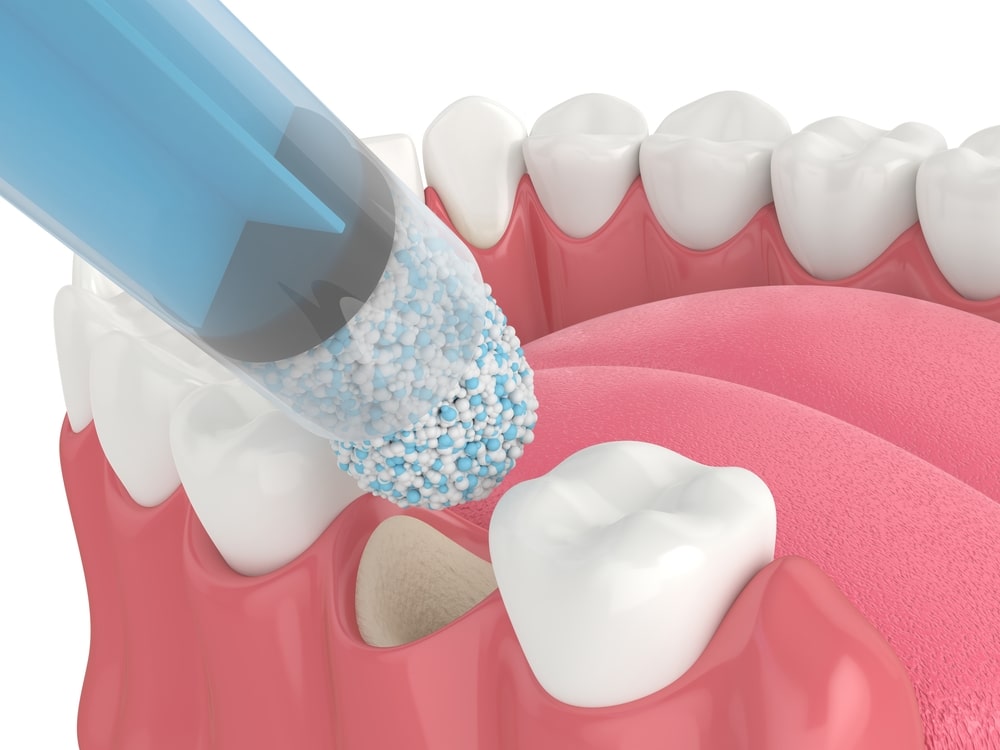
- Bone grafts: From £450
- Sinus lifts: From £800
- Connective tissue grafts: From £200
Approximately 25% of upper-jaw implant patients require a sinus lift, while about 30% of all implant cases need bone grafting.
Private vs NHS Dental Treatment Costs
Comparing NHS and private dental costs reveals significant differences in both pricing structure and available treatments. Understanding these differences helps when deciding which option best suits your dental needs and budget.
Overview of NHS dental bands
The NHS uses a straightforward three-band pricing system for dental treatments in England:
- Band 1 (£27.40) covers examinations, diagnosis, X-rays, prevention advice, fluoride applications, simple gum disease management, and minor adjustments to dentures or braces.
- Band 2 (£75.30) includes everything in Band 1 plus fillings, root canal treatments, extractions, and extensive gum disease management.
- Band 3 (£326.70) encompasses all treatments in Bands 1 and 2, plus crowns, dentures, bridges, and laboratory-made appliances.
For urgent care, patients pay a Band 1 charge (£27.40) regardless of the treatment required. Additionally, Band prices differ in Wales, with equivalent charges set at £20, £60, and £260 respectively.
What’s included in NHS vs private care
NHS dental care focuses on treatments deemed clinically necessary to maintain oral health. This covers essential procedures like examinations, fillings, and extractions. In contrast, private dentistry offers a wider spectrum of options, including advanced cosmetic treatments.
Materials also differ between services. While NHS treatments use clinically effective materials, private practices often use premium options like tooth-colored composite fillings and all-ceramic crowns. Moreover, private dentists typically provide longer appointment times and more scheduling flexibility.
When private might be the only option
Several treatments are exclusively available through private care. These include cosmetic orthodontics for esthetic purposes, dental implants (except in specific clinical cases), professional teeth whitening, and composite bonding.
Additionally, private care becomes necessary when NHS services have limited availability. Even for treatments technically covered by the NHS, such as root canal therapy or wisdom tooth removal, patients may need to seek private care if NHS specialist services aren’t accessible locally. Indeed, many complex dental procedures often require referral to private specialists.
What Affects Private Dentist Costs UK
Several key factors determine exactly how much you’ll pay for private dental care. Understanding these variables helps explain the significant price differences you might encounter when seeking treatment.
Location and regional pricing differences
Geographic location plays a crucial role in private dental pricing. Urban areas and Southeast England typically charge higher fees than rural regions. Specifically, Cambridge tops the charts for some procedures, with anterior root canals costing an eye-watering £660—dramatically higher than Scotland’s average of £286.
Bristol residents face prices approximately 25% above the national average, whereas Belfast offers treatment costs 28% below. This stark contrast means that driving an hour to a different city could potentially save hundreds of pounds on complex procedures.
Dentist experience and specialisation
The expertise of your dental professional significantly impacts costs. General dentists typically charge between £50-£150 per hour for basic procedures like fillings or extractions. However, specialists such as oral surgeons or orthodontists command £150-£300 hourly rates.
This price difference reflects not only years of additional training but also the complexity of treatments these specialists perform. First and foremost, the specialised knowledge required for intricate procedures justifies these premium rates.
Materials and lab fees
Quality of materials substantially affects your final bill. High-quality materials like ceramic crowns, titanium implants, and tooth-colored fillings increase costs but provide superior durability and esthetics. Laboratory fees add another £200-£600 for custom work like bridges, crowns, or dentures.
Initially, cheaper options like amalgam fillings or acrylic dentures seem cost-effective, but premium materials often offer better long-term value despite higher upfront costs.
Technology and clinic facilities
Advanced technology and premium facilities contribute significantly to private dental charges. Practices investing in cutting-edge equipment like digital X-rays, 3D scanners, and laser dentistry typically charge more. Additionally, extras like spa services, dedicated hygienists, or in-surgery laboratories all get factored into patient bills.
Essentially, these technological investments improve diagnostic accuracy and treatment outcomes but require substantial financial outlay that clinics must recover through their pricing.
Our Final Say!
Navigating private dental care costs requires careful consideration of multiple factors. Throughout this guide, we’ve seen how prices vary dramatically across the UK, with some regions like Bristol costing 25% above the national average while Belfast offers treatments 28% below. Undoubtedly, your location plays a significant role in determining what you’ll pay for dental care.
Private dental treatments present clear advantages despite higher costs. Longer appointments, premium materials, and greater flexibility stand out as key benefits compared to NHS options. However, these advantages come with substantial price variations – a single composite filling might cost anywhere from £80 to £250 depending on your location and the specific clinic.
Several factors drive these price differences. First and foremost, geographic location creates major disparities in treatment costs. Additionally, dentist expertise significantly impacts pricing, with specialists charging substantially more than general practitioners. Materials quality and clinic technology further contribute to the final cost you’ll face.
Making informed decisions about dental care requires balancing cost considerations against quality needs. Though NHS services offer affordability through their band system, many treatments remain exclusively available through private care. Consequently, understanding private dental pricing becomes essential for anyone seeking comprehensive oral healthcare.
The dental landscape continues to evolve as NHS accessibility challenges push more patients toward private options. While costs might seem daunting at first glance, knowledge of pricing structures and regional variations helps prepare for these expenses. After all, investing in quality dental care represents an investment in long-term oral health – one that deserves careful financial planning and consideration of all available options.