Did you know that proper filling aftercare can significantly extend the life of your dental work? According to The National Health and Nutrition Examination Survey, 92% of people aged 20-64 have had cavities in their adult teeth, making dental fillings one of the most common dental procedures worldwide.
While getting a filling typically takes only 30 to 45 minutes, what you do after leaving the dentist’s chair matters tremendously. Many patients experience sensitivity to hot or cold foods for up to three weeks following the procedure, and different filling materials have varying setting times – amalgam fillings need about 24 hours to set completely, whereas composite fillings harden immediately under ultraviolet light. Therefore, understanding cavity filling aftercare is essential for maintaining your dental health. From the dos and don’ts after tooth filling to knowing what to do after filling completion, proper after filling care ensures your restoration lasts as long as possible.
In this article, we’ll guide you through everything you need to know about caring for your new dental filling, from immediate aftercare to long-term maintenance strategies. Let’s ensure your smile stays healthy and strong!
Understanding Dental Fillings and Why Aftercare Matters
Dental fillings are more than just a quick fix for cavities—they’re a long-term investment in your oral health. Understanding what actually happens during the procedure and how to care for your new fillings can make the difference between a restoration that lasts for years and one that needs premature replacement.
What happens during a filling procedure
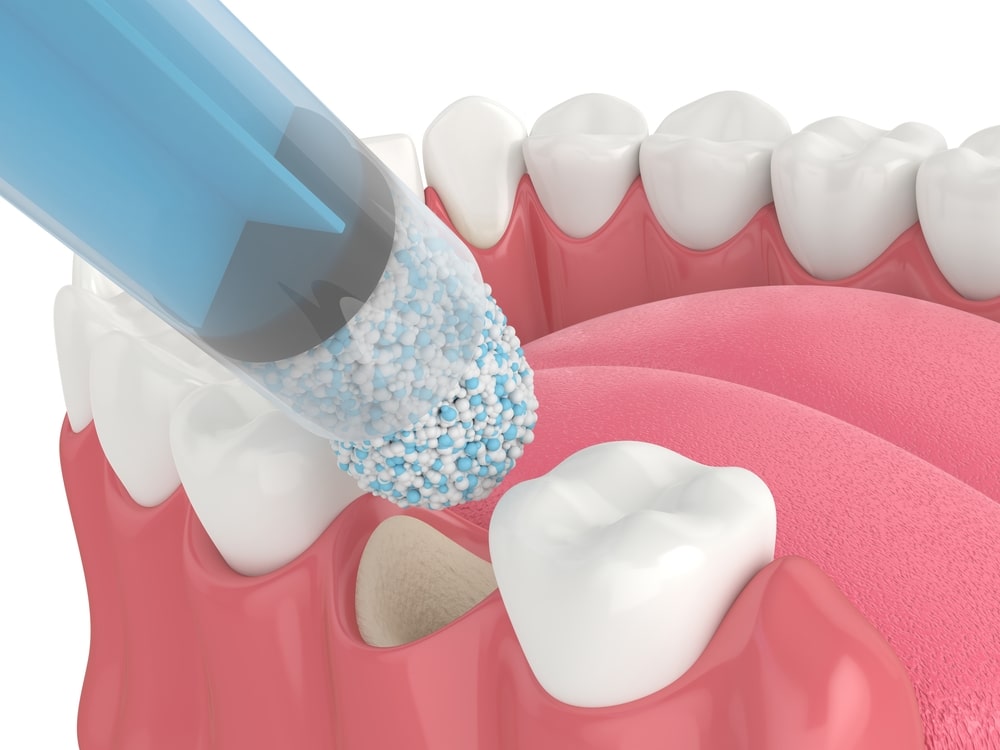
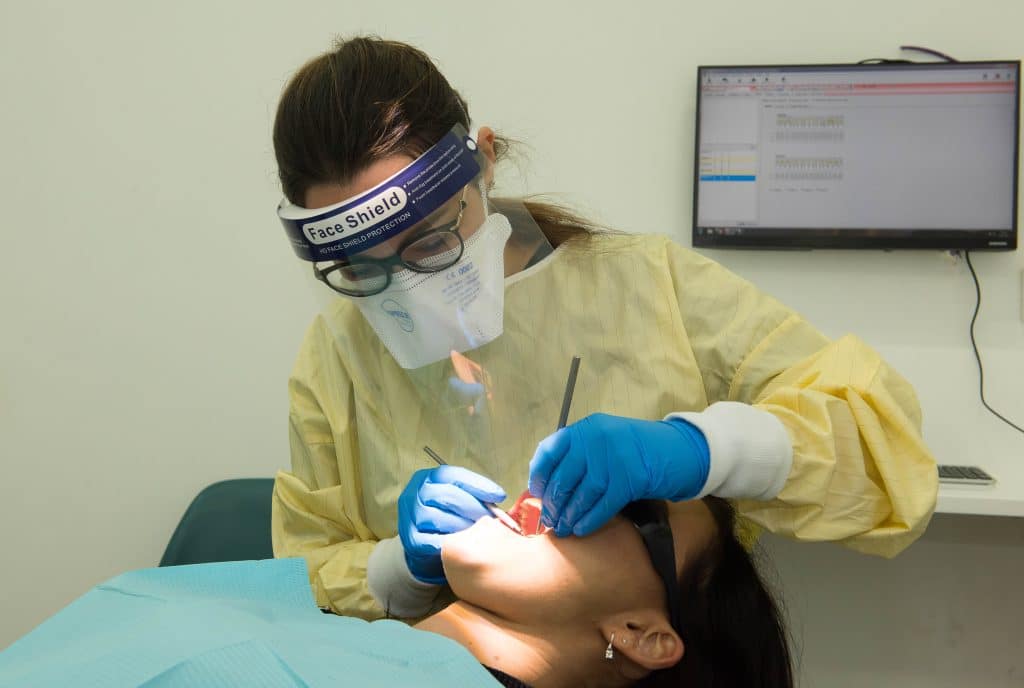
The dental filling procedure typically takes 30-45 minutes and follows a systematic approach to repair your tooth. Initially, your dentist applies a numbing gel to your gums before injecting a local anesthetic to ensure you remain comfortable throughout the procedure. Once the area is numb, your dentist uses specialised tools to remove the decayed or damaged portion of your tooth.
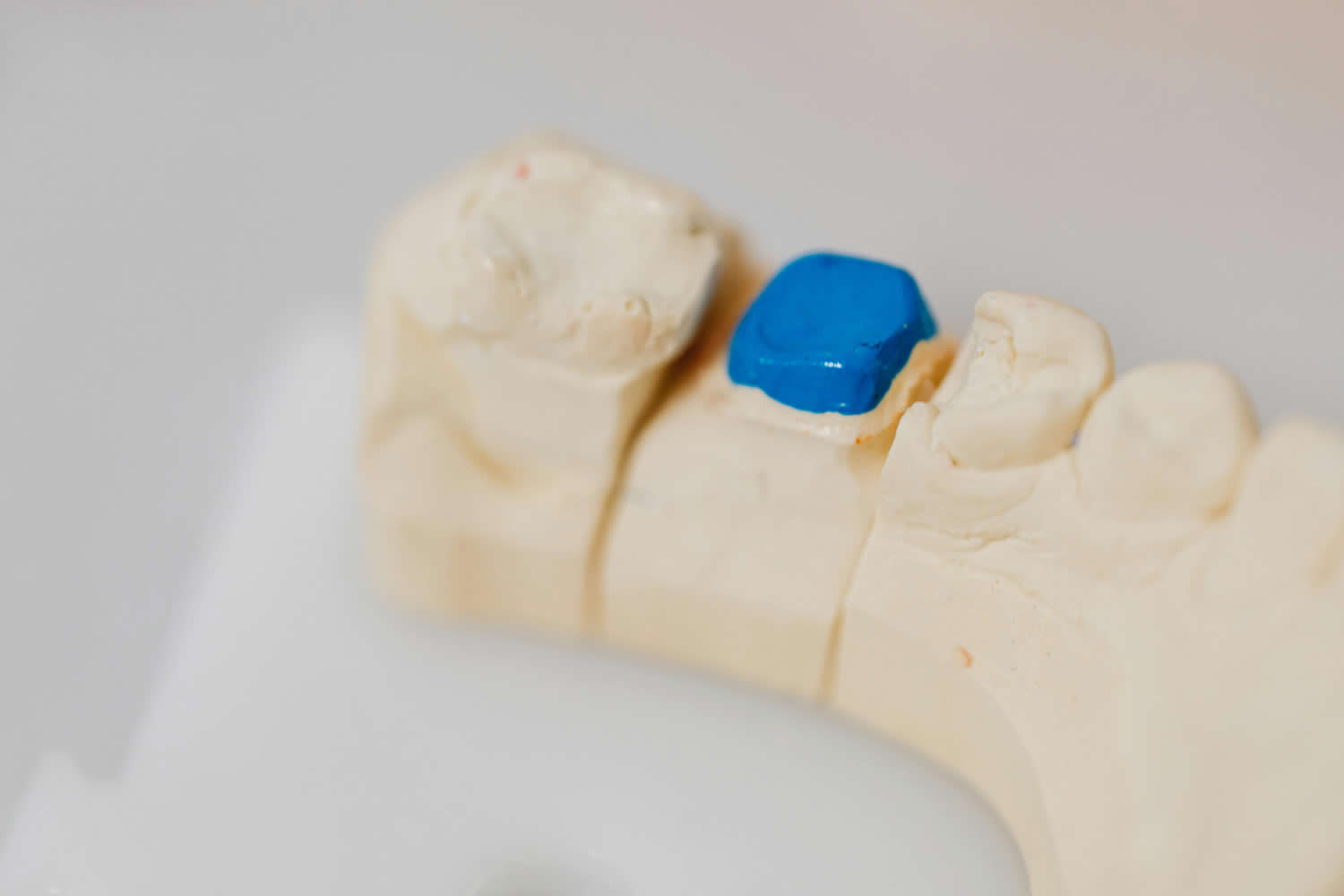
After removing all decay, your dentist thoroughly cleans the cavity to eliminate bacteria and debris. This preparation creates a clean surface for the filling material to bond properly. Subsequently, your dentist fills the cavity with your chosen material—whether amalgam (silver), composite resin (tooth-colored), gold, or porcelain.
If you receive a composite filling, your dentist will use a special blue light to harden the material in seconds. Alternatively, amalgam fillings set on their own within a few minutes. Before completion, your dentist polishes the filling and adjusts your bite to ensure it feels natural when you close your mouth.
Why proper aftercare is important for longevity
Dental fillings typically last around 10 years on average, but with proper care, many can last much longer. Indeed, amalgam fillings can last up to 20 years, while composite fillings generally last 12-15 years.
Several factors influence how long your filling will serve you. Your eating habits play a crucial role—sugary foods promote biofilm growth on fillings and can lead to new cavities forming underneath existing fillings. Furthermore, biting down on hard foods like candy, nuts, and ice increases wear and tear on both your fillings and natural teeth.
Proper oral hygiene essentially determines your filling’s lifespan. Regular brushing with fluoride toothpaste, daily flossing, and biannual dental checkups help identify potential issues early. These routine examinations allow your dentist to detect problems before they worsen, potentially extending your filling’s life by years.
For individuals who grind their teeth at night, wearing a night guard provides protection for dental fillings against excessive wear. This simple preventive measure can dramatically extend the functional life of your restorations, making it a worthwhile investment for your dental health.
Immediate Aftercare: What to Do After a Filling
The first few hours after getting a filling are crucial for ensuring proper healing and longevity of your dental work. Proper immediate aftercare can help prevent complications and ensure your filling sets correctly.
Wait for anesthesia to wear off before eating
After receiving a filling, your mouth will typically remain numb for 1 to 3 hours due to the local anesthetic. Despite the temptation to eat immediately, I strongly recommend waiting until this numbness subsides completely. Otherwise, you might accidentally bite your tongue, cheeks, or lips without realising it. This caution is particularly important since you won’t feel pain that would normally alert you to stop biting.
Additionally, the numbness can make it difficult to chew properly or gage temperature, increasing your risk of injury. As sensation returns, you may experience a tingling feeling – this is normal and indicates the anesthetic is wearing off.
How long does a filling take to set?
The setting time varies significantly depending on the type of filling material used:
- Composite (tooth-colored) fillings harden immediately under the dentist’s blue light. Technically, you could eat right away, though dentists often recommend waiting at least 2 hours to allow the filling to settle properly.
- Amalgam (silver) fillings require approximately 24 hours to fully set and reach maximum strength. During this time, the filling remains somewhat malleable and can be damaged by excessive pressure.
Dos and don’ts after tooth filling in the first 24 hours
Dos:
- Take over-the-counter pain relievers containing ibuprofen or acetaminophen if you experience discomfort
- Eat soft foods that require minimal chewing such as soup, scrambled eggs, yogurt, and mashed potatoes
- Drink plenty of water
- Brush gently around the filled tooth – you don’t need to wait to clean the area
Don’ts:
- Avoid extremely hot or cold foods and drinks for the first few days
- Skip sticky, hard, or chewy foods for up to two weeks
- Avoid highly acidic foods that could cause infection
- Don’t eat on the side with the new filling, especially for amalgam fillings
Contact your dentist if pain or sensitivity persists beyond 24 hours, as this could indicate a problem with your filling.
Managing Sensitivity and Discomfort
Sensitivity after a dental filling is extremely common—affecting many patients in the days and weeks after treatment. Understanding what’s normal and when to seek help can save you unnecessary worry and potential complications.
Normal pain vs. when to worry
Mild discomfort and sensitivity are typical for a day or two following a filling procedure. In most cases, tooth sensitivity resolves within two to four weeks on its own. However, certain warning signs require prompt attention. Contact your dentist if sensitivity persists beyond four weeks or worsens over time.
Moreover, severe throbbing pain might indicate pulp damage. If you notice persistent pain when biting down, your filling may be too high and causing malocclusion—a common reason for post-filling discomfort. Additionally, watch for swelling or pus, which could signal an infection requiring immediate attention.
Foods to avoid after a filling
For optimal filling aftercare, temporarily avoid these foods:
- Hard foods: Nuts, raw vegetables, hard candies, and crisps could damage your new filling
- Sticky foods: Chewing gum, toffee, caramel, and dried fruits may pull at or dislodge the filling
- Temperature extremes: Very hot or cold items can trigger sensitivity
- Acidic and sugary items: These increase the risk of further decay around your filling
Typically, these restrictions are most important during the first two weeks after treatment.
Using pain relievers and sensitivity toothpaste
Nonsteroidal anti-inflammatory drugs like ibuprofen effectively manage post-filling discomfort. Over-the-counter pain medications can provide significant relief when used as directed.
Switching to a desensitizing toothpaste containing potassium nitrate or stannous fluoride is particularly helpful. These ingredients work by either soothing the nerves inside your teeth or creating a protective barrier over sensitive areas. For best results, use sensitive toothpaste twice daily. Alongside this, brushing gently with a soft-bristled toothbrush helps prevent further irritation.
Long-Term Care and Prevention Tips
Proper maintenance is the key to extending the life of your dental fillings for years to come. With the right care routine and regular check-ups, you can avoid premature replacement and protect your dental investment.
Brushing and flossing after a filling
Maintaining excellent oral hygiene is crucial for filling longevity. I recommend using a soft-bristled toothbrush that offers a gentler alternative while still effectively removing plaque and bacteria. Brush at least twice daily and don’t forget to clean your tongue as well.
When it comes to flossing, you don’t need to wait after getting a filling—simply floss carefully around the filled tooth. For optimal protection, use fluoride toothpaste to strengthen your teeth and prevent decay around the filling. Adding an antibacterial mouthwash to your routine can further reduce plaque buildup and maintain overall oral health.
Lifestyle habits that affect your fillings
Your daily choices significantly impact how long your fillings last. Frequent consumption of sugary foods and beverages fuels bacteria in your mouth, forming plaque and tartar around dental fillings. Similarly, sticky or chewy foods can get stuck around fillings, increasing the risk of decay.
Smoking and using tobacco products not only cause gum disease but also contribute to tooth decay. Alcohol consumption dehydrates your mouth, preventing saliva from flushing away bacteria. To maximize filling lifespan, consider cutting down on these habits.
When to replace or repair a filling
Even with perfect care, fillings eventually need replacement. Amalgam fillings typically last up to 20 years, while composite fillings generally last 10-15 years. Pay attention to these warning signs that indicate replacement is needed:
- Sensitivity to hot or cold foods or during brushing
- Visible damage like chips or cracks in the filling
- Pain at the filling location
- Rough feeling when running your tongue over the filling
- Bad breath or taste that persists despite brushing
Regular dental check-ups every six months allow your dentist to identify potential issues early. If you notice any of these symptoms, contact your dentist promptly—waiting too long can leave your tooth vulnerable to additional decay.
Our Final Say!
Proper dental filling care significantly extends the life of your restorations while protecting your overall oral health. Throughout this article, we’ve seen how crucial both immediate and long-term aftercare truly is. Most importantly, understanding your specific filling type—whether amalgam requiring 24 hours to set or composite hardening immediately—dictates your initial care approach.
The first days after your procedure require special attention. During this time, waiting for anesthesia to wear off before eating prevents accidental injury to your mouth. Additionally, consuming soft foods and avoiding extreme temperatures helps your new filling settle properly.
Sensitivity after getting a filling certainly feels uncomfortable but usually resolves within four weeks. Therefore, using desensitizing toothpaste and appropriate pain relievers can effectively manage this temporary discomfort. After all, knowing what constitutes normal healing versus warning signs ensures you seek help when truly necessary.
For lasting results, daily maintenance makes all the difference. Consequently, brushing with fluoride toothpaste, flossing carefully around fillings, and reducing consumption of hard, sticky foods preserves your dental work. Regular six-month checkups allow your dentist to spot potential problems before they worsen.
Remember, even with excellent care, fillings eventually need replacement. Awareness of warning signs such as persistent sensitivity, visible damage, or rough edges helps you address issues promptly. Taking proactive steps today ensures your smile remains healthy and strong for years to come!