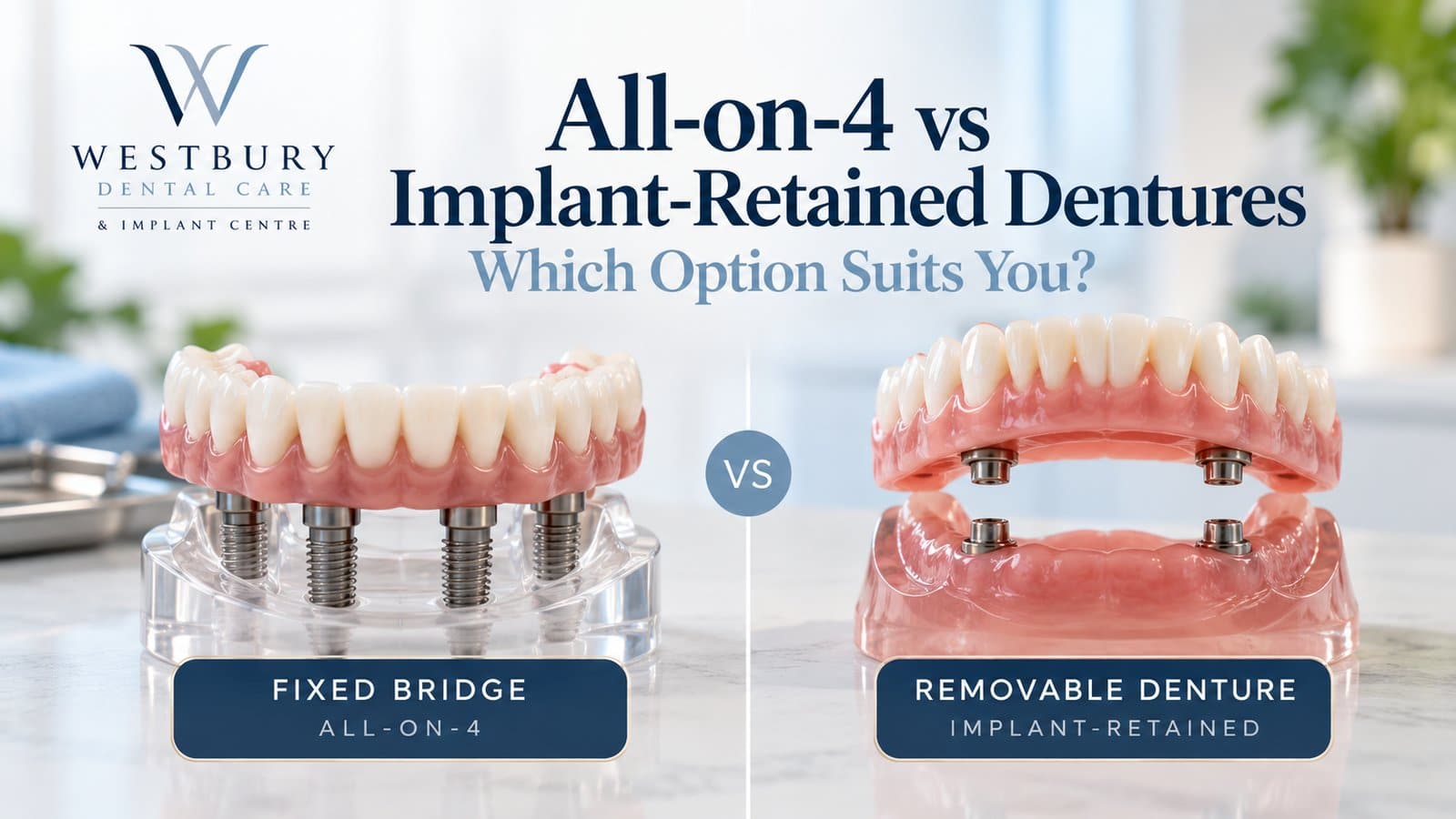
All-on-4 vs implant-retained dentures is an important comparison if you have lost most or all of your teeth, or you are struggling with conventional dentures. Both treatments use dental implants to support replacement teeth, but there is one fundamental difference: All-on-4 provides a fixed bridge, while implant-retained dentures are designed to be removed by you.
A fixed bridge may appeal if you want replacement teeth that stay in your mouth throughout the day and night. Removable implant dentures can offer improved stability compared with conventional dentures, while being easier to take out for cleaning and generally involving a lower initial cost.
At Westbury Dental Care & Implant Centre in New Malden, we consider your oral health, jawbone, lifestyle and treatment priorities before recommending either option. Understanding how they differ can help you approach your consultation with realistic expectations.
What Is All-on-4 Dental Implant Treatment?
All-on-4 is a technique for supporting a full arch of replacement teeth on four carefully positioned implants. Rather than replacing every missing tooth with a separate implant, a bridge is attached to a smaller number of implants placed in the jawbone. Some patients benefit from an alternative design using five or six implants, depending on their anatomy and treatment plan.
The bridge is secured to the implants and cannot be taken out at home. Only a dental professional can remove it using the appropriate equipment. This makes it a popular choice for people who dislike the idea of a removable appliance.
Our All-on-4 and All-on-6 dental implant treatments are intended to restore a full arch with fixed replacement teeth when the clinical conditions are suitable.
Potential advantages include:
- Replacement teeth that remain securely fixed during everyday activities.
- No routine need to remove a denture at bedtime.
- A restoration designed to improve appearance, speech and chewing.
- The possibility of a fixed temporary bridge on the day implants are placed in selected cases.
The final bridge is usually fitted after a healing period. Having temporary teeth fitted immediately is not guaranteed for every patient.
What Are Implant-Retained Dentures?
Implant-retained dentures, sometimes called snap-on or clip-on dentures, use implants and special attachments to help hold a removable denture in place. Instead of relying mainly on the gums, suction or denture adhesive, the appliance connects to implants placed in the jaw.
A lower denture may be supported by two implants in suitable circumstances, while other designs use additional implants. Upper-jaw treatment often requires more support. The exact number depends on bone quality, the type of attachments and the forces the denture must withstand.
Our implant-retained dentures are designed to provide greater retention than many conventional dentures, while still allowing patients to remove the appliance for cleaning.
Potential advantages include:
- Reduced looseness compared with an unsupported denture.
- Greater confidence when speaking and eating.
- A removable appliance that can be cleaned outside the mouth.
- Often a lower initial treatment cost than a fixed full-arch bridge.
These dentures are not completely rigid. Some movement may still occur, and the attachment components need maintenance over time.
All-on-4 vs Implant-Retained Dentures: Key Differences
Fixed or removable
All-on-4 bridges stay attached to your implants until a dentist removes them. Implant-retained dentures can be unclipped by you each day. Neither approach is automatically better: some patients prefer the feeling of fixed teeth, while others value being able to remove their denture for thorough cleaning.
Number of implants
All-on-4 usually involves four implants supporting an entire arch, although other fixed designs may require more. Removable implant dentures commonly use two or more implants, with the number influenced by the jaw being treated and the attachment system.
Daily cleaning
You clean a fixed bridge in your mouth, paying particular attention beneath the replacement teeth. A removable denture is taken out so its surfaces and attachments can be cleaned separately. Both require effective cleaning around the implants and regular professional reviews.
Stability and feel
A properly designed fixed bridge generally has very little movement during normal use. Implant-retained dentures usually feel more secure than ordinary dentures but may move slightly because of their design. Comfort and function depend on individual fit, bite and oral health.
Which Option Is Better for Eating and Speaking?
Both treatments can improve everyday function for patients who find missing teeth or loose dentures troublesome. However, neither guarantees the same biting force, sensation or food choices as healthy natural teeth.
A fixed All-on-4 bridge may feel less bulky because it does not need the same removable denture base. Many patients like being able to speak without worrying about taking their teeth out. Eating can also become more comfortable once treatment and healing are complete.
An implant-retained denture is held more securely than a conventional denture, which may help reduce slipping during conversation or meals. Nevertheless, the denture base and attachment mechanism can allow a little movement, particularly with harder foods.
Any improvements depend on implant position, your bite, muscle control and adaptation. Your dentist may recommend avoiding hard or chewy foods during the initial healing period, especially when a temporary bridge is fitted.
How Do You Clean and Maintain Each Option?
Caring for fixed All-on-4 teeth
Although the bridge stays in place, plaque and food debris can still collect around the implants and underneath the replacement teeth. Daily brushing alone may not reach every surface. Depending on the bridge design, your dental team may recommend interdental brushes, specialist floss or a water flosser as an additional cleaning aid.
Regular maintenance appointments allow us to assess the gums, implant stability, bridge and bite. The bridge may occasionally need to be removed professionally for maintenance or repairs.
Caring for snap-on dentures
Implant-retained dentures are removed for cleaning each day, generally including overnight unless your dentist advises otherwise. Clean them with products appropriate for the material, and carefully clean the attachments and gums around the implants.
Over time, retaining inserts or clips can become worn and may need replacing. Dentures can also require adjustments, relining or renewal as the mouth changes. Neither option is maintenance-free, and problems should be assessed promptly rather than managed with household adhesives or repairs.
What Happens During Treatment?
Both approaches begin with an examination and detailed discussion of your goals. We assess your teeth, gums, bite, medical history and available bone. Dental imaging, potentially including a CBCT scan, may be needed to plan implant positioning safely.
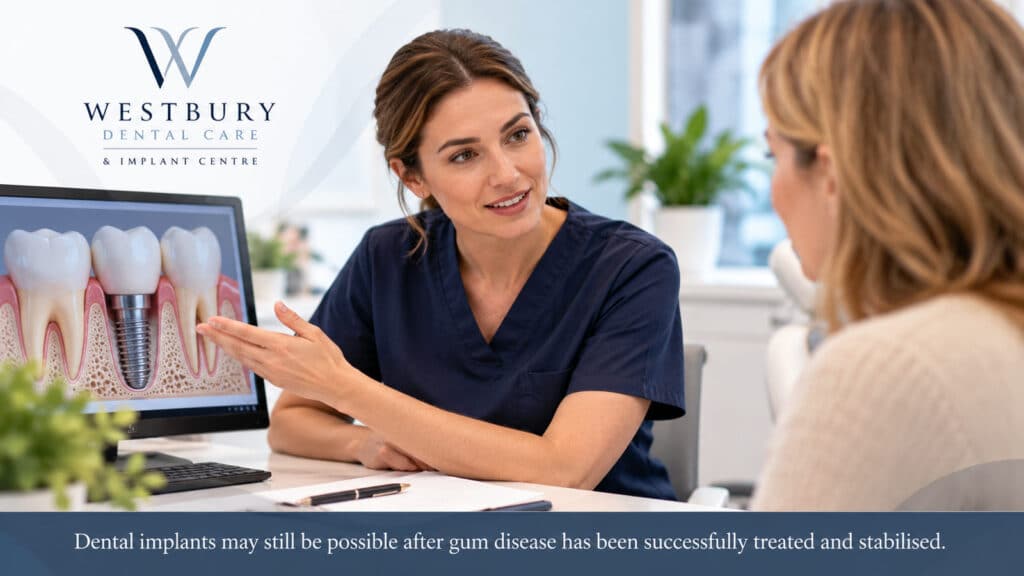
If teeth need extracting, gum disease requires treatment or the jawbone needs grafting, your plan may involve additional stages. A history of periodontitis does not always prevent implants, but active gum disease needs to be controlled before implant placement.
Implants are placed under appropriate anaesthesia and then allowed to integrate with the bone. With selected fixed full-arch cases, a temporary bridge can sometimes be fitted promptly after surgery. The final bridge normally follows when healing and stability are sufficient.
With implant-retained dentures, you may use an existing or temporary denture during healing. Once the implants are ready, the denture is made or adapted to connect with the attachments. Your individual schedule may differ considerably from someone else’s.
Do You Need Enough Jawbone for Either Treatment?
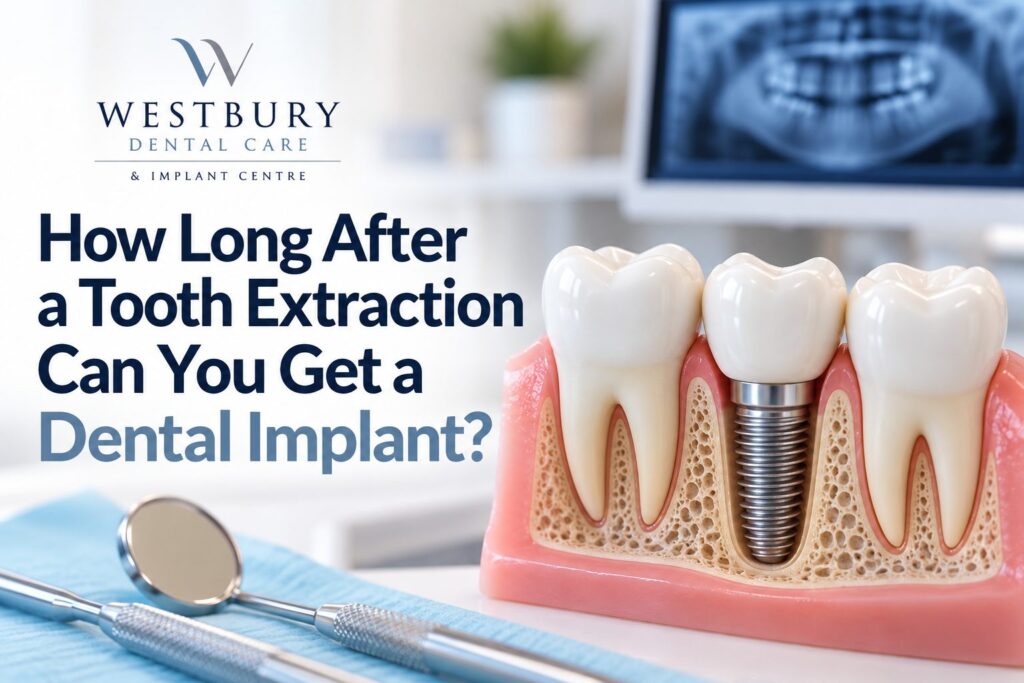
Yes. Both treatments rely on implants anchored in suitable jawbone, but their designs place different demands on implant position and support. Four implants are not automatically enough for every fixed restoration, and two implants are not automatically enough for every removable denture.
If teeth have been missing for many years, the jawbone may have reduced in volume. Gum disease, previous extractions and anatomical features can also affect the space available for safe implant placement.
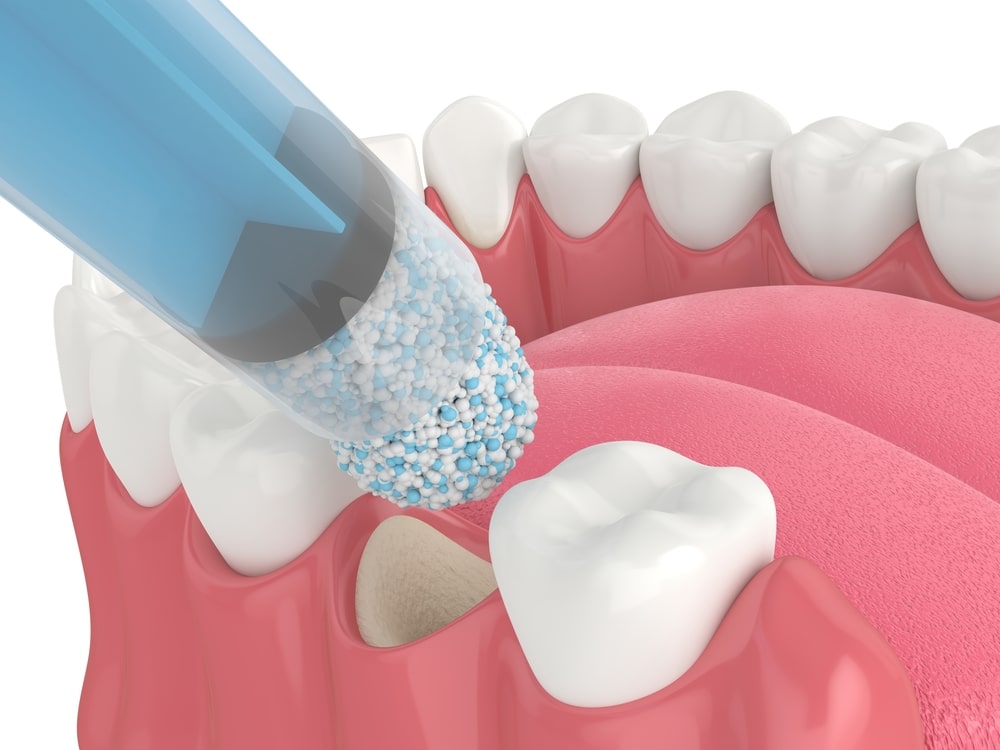
Some people need bone grafting or another preparatory procedure. Others may be suitable for an implant arrangement that works with the bone they already have. These decisions require examination and imaging; they cannot reliably be made from appearance or a quotation alone.
How Much Do All-on-4 and Implant-Retained Dentures Cost?
Fixed full-arch treatment generally costs more initially because of the bridge design, materials, implant requirements and laboratory work involved. Removable implant dentures are often less expensive upfront, although both represent a significant investment.
Westbury Dental Care’s published private fee schedule currently lists All-on-X (Teeth in a Day) at £16,000 per arch and implant-retained dentures at £9,000 per arch. These are published guide fees, not personalised quotations. Costs can change, and your actual treatment plan may differ depending on the clinical work required.
When comparing prices, establish what each estimate includes: examinations, scans, extractions, implants, temporary teeth, the final appliance and review appointments. Ask about additional bone treatment, sedation if required, maintenance and repair charges.
The wider costs of private dental treatments depend on clinical complexity as well as the type of restoration. A lower initial price does not necessarily mean lower costs over the entire lifetime of treatment.
How Long Do These Implant Restorations Last?
Both fixed bridges and implant-retained dentures can provide years of service, but no restoration can be guaranteed to last for a particular period. The implants, attachments and replacement teeth are different components, and they may need different types of maintenance.
A fixed bridge can experience wear, damage to its surface or changes in the bite. An implant-retained denture may need new retaining inserts, relining or replacement as its fit changes. The implants themselves must also be monitored for inflammation and changes in the supporting bone.
Before choosing treatment, ask what ongoing visits are recommended and which repairs or replacement parts might involve additional charges. Understanding these responsibilities can help you budget for the future, not just the initial procedure.
Which Treatment Is Likely to Suit Your Lifestyle?
All-on-4 may appeal if you:
- Strongly prefer teeth that you cannot remove yourself.
- Want a fixed bridge rather than a denture that clips in and out.
- Are comfortable with the more involved cleaning required underneath fixed teeth.
- Can accommodate the potentially higher upfront cost.
- Have suitable bone and oral health, or are suitable for any recommended preparatory treatment.
Implant-retained dentures may appeal if you:
- Want more retention than a conventional removable denture.
- Are comfortable removing an appliance for daily cleaning.
- Would prefer an option that is often less expensive initially.
- Are happy to attend for periodic attachment replacement and denture adjustments.
- Have a clinical situation in which a removable restoration is preferable.
Personal preference matters, but it cannot override clinical suitability. Some patients find a removable denture easier to clean, while others struggle with removing it because of limited hand dexterity. Similarly, a fixed bridge may be appealing but difficult to maintain properly without the right cleaning routine.
If you are considering different dental options for replacing missing teeth, we can explain the advantages, limitations and practical responsibilities of each one before you decide.
Our Final Say!
When comparing All-on-4 vs implant-retained dentures, the deciding factor is often whether you prefer fixed replacement teeth or a removable appliance with implant support. All-on-4 offers a bridge that stays in place, while snap-on dentures offer improved retention with the flexibility of removal for cleaning. Both can improve comfort and confidence, but both also need careful maintenance.
The most suitable option depends on your jawbone, gum health, budget, expectations and ability to keep the implants clean. At Westbury Dental Care & Implant Centre in New Malden, we can assess your individual circumstances, explain likely treatment stages and provide a personalised quotation. Contact our team to discuss the options for restoring your smile.