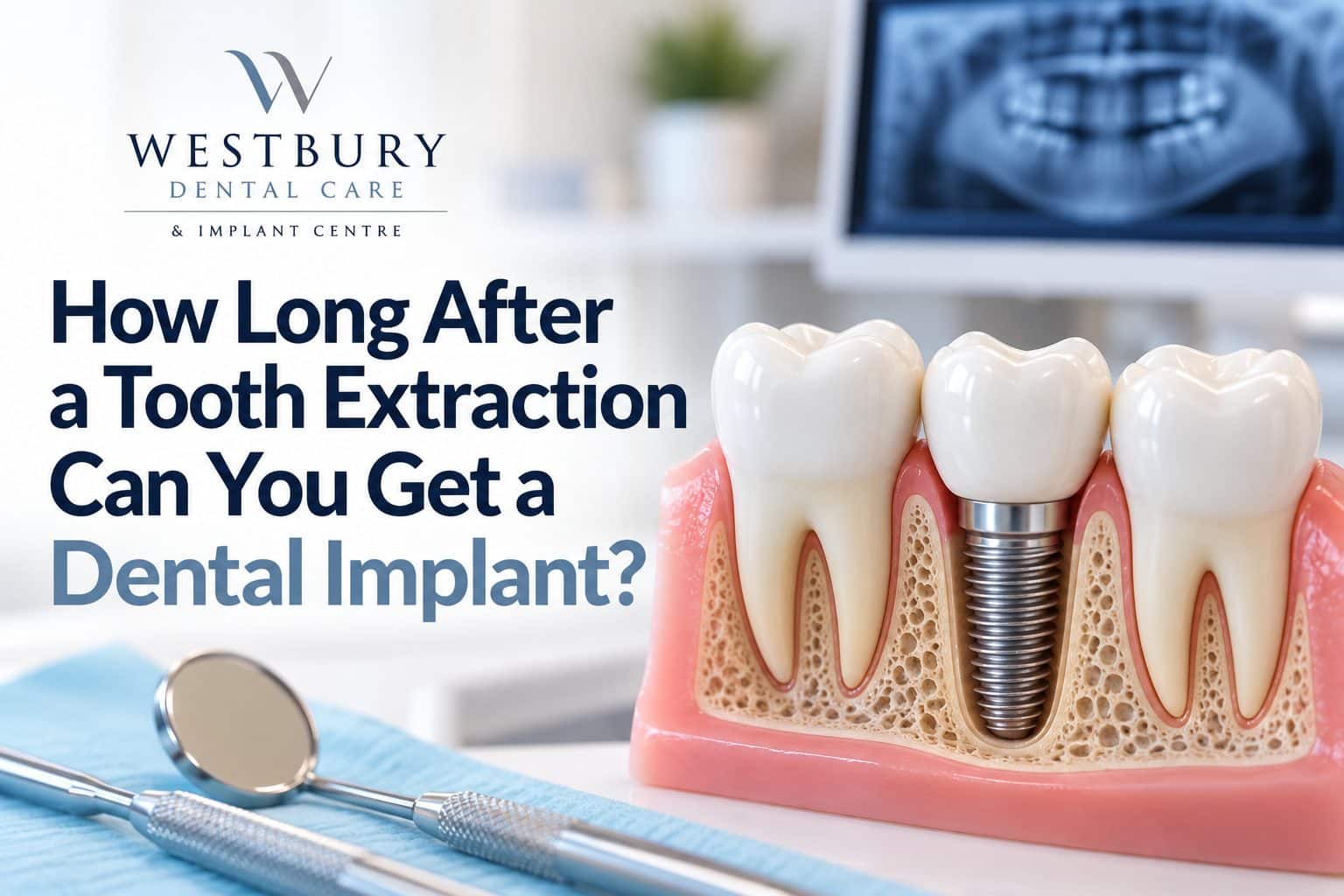
How long after a tooth extraction can you get a dental implant? Some patients can have an implant placed on the same day their tooth is removed. Others may need to wait several weeks or months while their gums and jawbone heal.
The right time depends on the reason for the extraction, the condition of the surrounding bone, any infection and your general oral health. Immediate placement may be possible in suitable cases, while early placement often takes place after several weeks and delayed placement may require three to six months or longer.
At Westbury Dental Care & Implant Centre in New Malden, we assess each patient’s circumstances before recommending treatment. Below, we explain the main timelines, what might cause delays and what happens between extraction and receiving your replacement tooth.
Why Does Implant Timing Matter After an Extraction?
A dental implant is a small titanium post placed into the jawbone to support a replacement tooth. Once the implant has integrated with the bone, it can usually support a crown, bridge or other suitable restoration.
After extraction, the socket begins healing. The gum gradually closes and the surrounding jawbone changes shape. Some bone shrinkage is normal because the tooth root is no longer present. Your dentist must consider whether enough bone remains to position and stabilise an implant correctly.
The best approach is not necessarily the fastest. For some patients, placing an implant immediately is appropriate. For others, allowing an infected or damaged site to recover provides better conditions for treatment. You can read more about our dental implant treatment and how it replaces missing teeth.
Immediate Implant Placement: The Same Day as Extraction
Immediate placement means removing the tooth and inserting the implant into the extraction socket during the same appointment. It can reduce the number of surgical visits and shorten the overall treatment timeline.
Who May Be Suitable?
The dentist will look for several favourable conditions:
- Sufficient healthy jawbone to hold the implant securely.
- Bone walls around the extraction socket that are largely intact.
- Gums and surrounding tissues in a condition suitable for surgery.
- No uncontrolled acute infection at the site.
- Enough space to position the implant without damaging nearby teeth.
An X-ray or three-dimensional scan may be needed to assess the bone and plan the implant position. Even with suitable bone, immediate placement is not always the preferred approach.
What Are the Advantages and Limitations?
Combining extraction and implant placement can mean fewer appointments. In selected cases, it can also help the dentist manage the shape of the surrounding gum tissues, which is particularly relevant for a front tooth.
However, an immediate implant does not completely prevent the natural bone changes that follow extraction. Some patients still require grafting. The implant must also achieve sufficient initial stability, and a permanent crown is not automatically fitted on the day of surgery.
An infected tooth does not always rule out immediate placement, but the nature and extent of infection matter. Where infection is acute or has damaged the supporting bone, delaying the implant may be preferable.
Early Placement: Usually Several Weeks Later
Early placement involves allowing the extraction site to heal before inserting the implant. Depending on the technique and clinical findings, this may be planned after approximately six to twelve weeks. Some approaches involve a shorter soft-tissue healing interval, while others allow more time for partial bone healing.
Why Might Waiting Help?
The first weeks after extraction allow the gum to recover and give the dentist an opportunity to assess healing. Early placement may be considered when:
- The gum needs time to close over the extraction area.
- Local inflammation or infection needs to settle.
- The tooth was removed from a site requiring careful tissue management.
- The clinician wants to reassess the socket before implant surgery.
Early placement balances healing time with the need to avoid unnecessary delay. However, it is only suitable if there is adequate bone for secure implant placement.
Delayed Placement: Three to Six Months or Longer
Delayed placement means allowing more extensive healing before inserting the implant. A waiting period of three to six months is common in some treatment plans, although complex cases can take longer.
This approach may be recommended where an extraction leaves a large bone defect, an abscess has damaged the surrounding tissues, or a bone graft is needed before the implant can be supported safely.
Does a Longer Wait Mean Better Results?
Not automatically. Immediate, early and delayed placement can all be appropriate when used for the right patient. Waiting longer does not guarantee a better result, and the jawbone can continue to change after extraction.
If you know a tooth needs removing, it is worth discussing replacement options before the procedure where practical. Our tooth extraction service explains how we approach teeth that cannot be preserved.
What Determines How Long You Need to Wait?
There is no single timetable that applies to everyone. Your dentist will consider several clinical factors before recommending when to place an implant.
Jawbone Volume and Quality
An implant needs sufficient bone in the correct position. If the bone is too thin, too shallow or has been damaged by infection, additional treatment may be required. Bone quality and the ability to stabilise the implant matter more than simply counting the weeks since extraction.
Infection and Gum Health
An abscess or advanced gum disease can affect the surrounding tissues. The underlying condition may need treatment before implant surgery. Maintaining healthy gums is also important for protecting the implant over the long term.
The Type of Extraction
A straightforward extraction that preserves the socket walls may leave different conditions from a complex surgical extraction. Broken roots, extensive decay or bone damage can change the recommended treatment sequence.
General Health and Lifestyle
Smoking, poorly controlled diabetes, certain medicines and medical conditions affecting healing can influence implant planning. These factors do not necessarily prevent treatment, but your dentist may advise additional precautions or review your suitability more carefully.
Will You Need a Bone Graft Before an Implant?
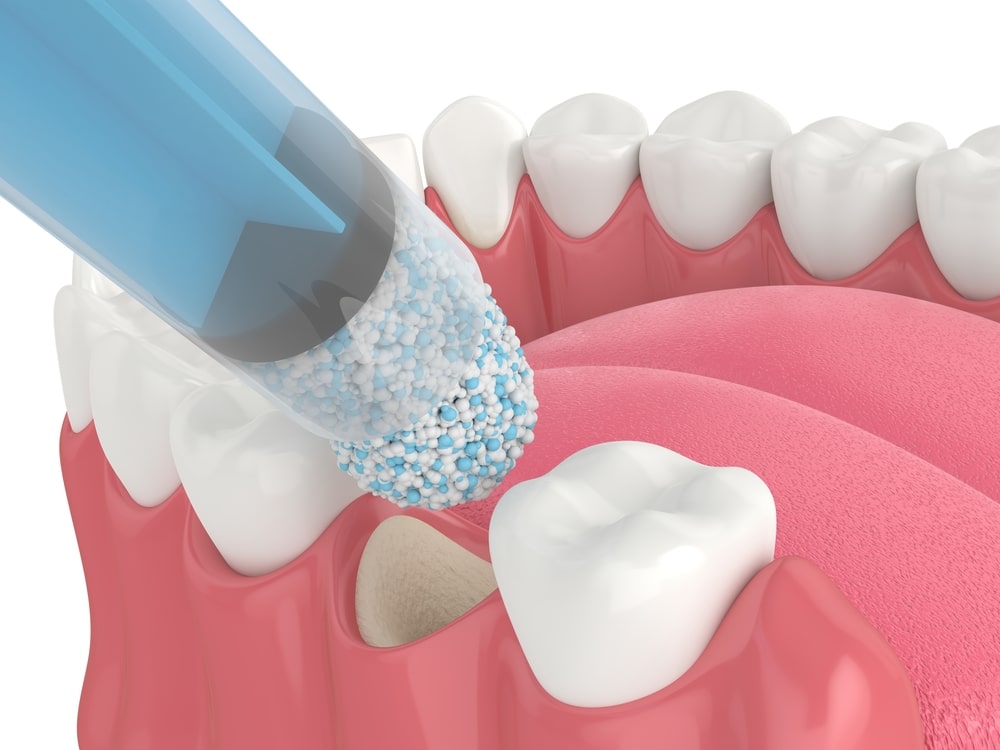
Not everyone needs bone grafting. It may be considered when there is insufficient bone to support an implant in the intended position.
A graft involves placing suitable material in an area where bone needs to be preserved or rebuilt. Depending on the circumstances, it may be carried out at extraction, alongside implant placement or as a separate procedure beforehand.
How Does Grafting Affect the Timeline?
Smaller grafts may be combined with other stages of treatment. More extensive grafting can require several months of healing before the implant is placed. The length of time depends on the amount of bone required, the procedure and how the area responds.
Our bone grafting treatment page explains why grafting may be recommended for people considering dental implants.
Can You Have an Implant Years After Losing a Tooth?
Yes. Dental implants can still be considered years after a tooth has been extracted. A long-standing gap does not automatically mean an implant is impossible.
However, the jawbone in that area may have reduced in height or width over time. Neighbouring teeth might also have tilted towards the gap, or the tooth opposite may have moved into the space. These changes can make treatment planning more complicated.
Your dentist will assess the available bone, the position of nearby teeth and your bite. Some patients can proceed without additional procedures, while others may need a bone graft or other preparation.
If you have lived with a missing tooth for years, an assessment is more useful than assuming you have left it too late.
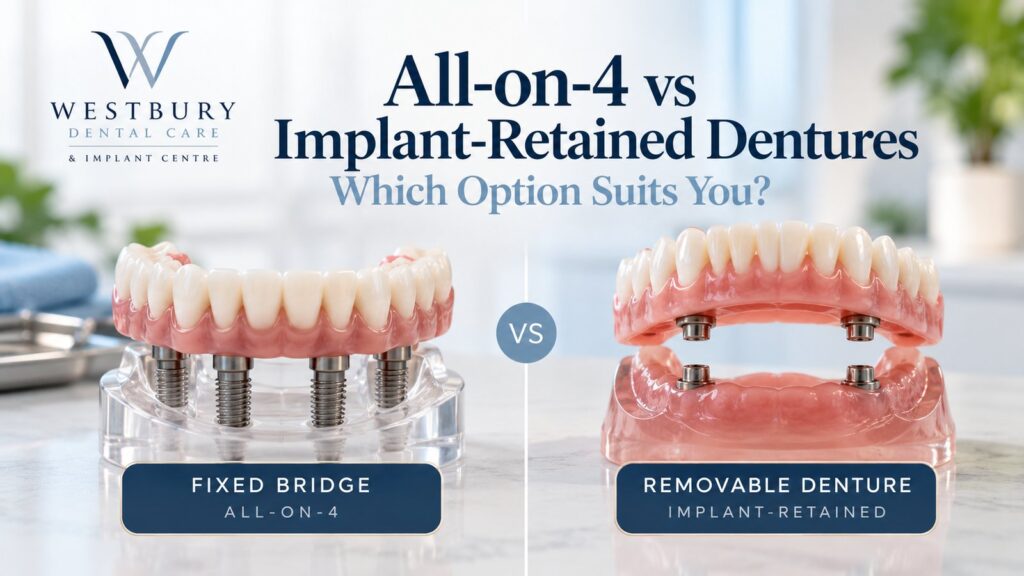
Even if a tooth has been missing for several years, there are several dental options for replacing missing teeth, including implants, bridges and dentures. The most suitable treatment will depend on your oral health, the condition of your jawbone and your individual preferences.
Does Same-Day Implant Placement Mean Same-Day Teeth?
No. Placing the implant and fitting the final replacement tooth are separate parts of treatment.
After placement, the implant needs to integrate with the jawbone through a process called osseointegration. This generally takes a number of months, although the timetable varies between patients and implant sites.
In selected cases, a temporary tooth can be fitted shortly after implant surgery. This is known as immediate loading or provisional restoration. It requires careful assessment of implant stability and the forces placed on the replacement tooth.
Many patients receive their final crown only after the implant has healed sufficiently. Your treatment plan should explain whether you will have a temporary replacement and when the permanent restoration is expected.
If the missing tooth is visible when you smile, ask what you can wear during the healing period. Depending on the position of the gap and the condition of the surrounding teeth, your dentist may discuss a temporary removable tooth or another suitable cosmetic solution. Any temporary option must be designed so it does not interfere with healing or place unwanted pressure on the implant site.
What Happens During Your Dental Implant Consultation?
A consultation helps establish whether an implant is suitable and which placement timeline offers appropriate conditions for treatment.
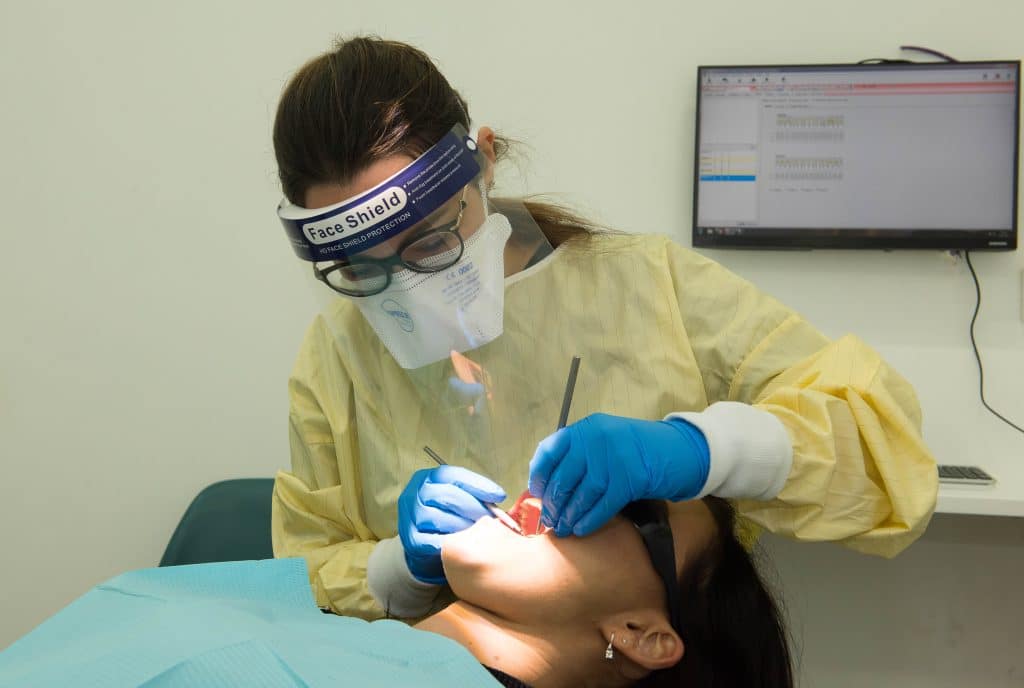
At Westbury Dental Care, the assessment may involve:
- Clinical Examination: Checking your teeth, gums, extraction site and overall oral health.
- Imaging: Taking X-rays or scans where needed to assess bone and nearby structures.
- Medical History: Discussing conditions, medication, smoking and other factors relevant to healing.
- Treatment Options: Considering immediate, early or delayed placement and any alternatives.
- Written Plan: Explaining the proposed stages, likely costs and expected timescales.
You can explore what appointments involve on our patient journey page.
If your tooth has not yet been removed, discussing implant options beforehand may help your dentist plan the extraction and any measures needed to preserve the site.
Your dentist will also explain the expected treatment fees, as the costs of private dental treatments can vary depending on the complexity of the procedure and whether additional treatments, such as bone grafting, are required.
Caring for Your Mouth While Waiting for an Implant
Maintaining good oral health is particularly important while waiting for dental implant treatment. Regular brushing, careful cleaning between your teeth and following your dentist’s aftercare instructions can help keep your mouth healthy during the healing process.
Healing after extraction is important whether an implant is planned soon or several months later. Follow the specific aftercare instructions given by your dental team.
During the First 24 Hours
- Avoid vigorous rinsing, spitting or disturbing the extraction site.
- Choose soft foods and avoid chewing directly on the affected area.
- Follow advice about managing bleeding and taking prescribed medication.
- Avoid smoking, which can interfere with healing.
Over the Following Days and Weeks
Keep the rest of your mouth clean and follow your dentist’s advice on gently cleaning around the site. Attend any recommended review appointments, particularly if an infection or bone graft was involved.
Contact your dentist if pain or swelling worsens, bleeding persists or you develop symptoms such as fever. Rapidly increasing facial swelling, especially with difficulty swallowing or breathing, requires urgent medical attention.
Good oral hygiene, managing existing gum problems and discussing relevant health conditions can all contribute to planning your implant treatment.
Our Final Say!
How long after a tooth extraction can you get a dental implant? For some patients, placement is possible on the same day. Others may be advised to wait six to twelve weeks, three to six months or longer depending on their bone, gums and healing needs.
There is no universal best waiting period. The priority is placing the implant where it has a suitable foundation and where your long-term oral health can be supported.
At Westbury Dental Care & Implant Centre in New Malden, we can assess your missing tooth, explain your options and develop an individual treatment plan. If you are planning an extraction or have been living with a gap for some time, contact our dental team to arrange a consultation.