
Can you have dental implants if you have gum disease? In many cases, yes, but active periodontitis must be treated and brought under control before implant surgery. Healthy gums and sufficient jawbone are important for implant stability, and untreated gum disease increases the risk of complications.
Gum disease is a major cause of adult tooth loss. If you have lost a tooth because of periodontitis, you might assume that dental implants are no longer an option. Fortunately, a previous diagnosis does not automatically rule out treatment.
At Westbury Dental Care & Implant Centre in New Malden, we assess your gum health, remaining teeth and jawbone before recommending implants. Here, we explain what needs to happen first, the treatments that may help and how to protect your implants in the long term.
How Does Gum Disease Affect Dental Implants?
Gum disease develops when bacterial plaque builds up around the teeth and triggers inflammation. Its effects vary depending on how far the condition has progressed.
Gingivitis is the early stage. Gums may appear red or swollen and bleed when brushed, but the supporting jawbone has not been permanently damaged. With suitable professional advice and effective daily cleaning, gingivitis is usually reversible.
Periodontitis is a more advanced condition that damages the tissues and bone supporting teeth. Gaps called periodontal pockets can develop between the gums and teeth, allowing deposits to accumulate below the gumline. Over time, teeth may loosen or be lost.
Common warning signs include bleeding gums, persistent bad breath, gum recession, loose teeth and changes in your bite. However, periodontitis can sometimes progress without obvious pain. If you notice bleeding gums or other possible signs of gum disease, arrange an examination rather than waiting for discomfort.
Why Must Active Gum Disease Be Treated Before Implants?
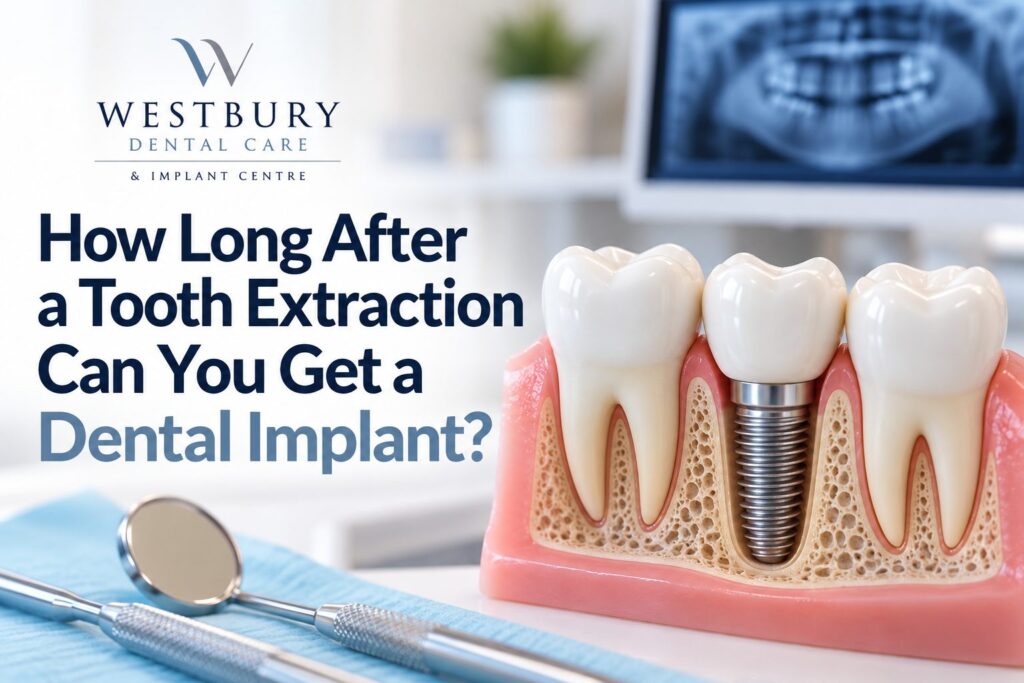
A dental implant is a small metal post placed in the jawbone to support a replacement tooth. Its success depends partly on the surrounding bone and soft tissues being healthy enough to support healing and ongoing maintenance.
Bacteria and inflammation
Untreated periodontitis means harmful bacterial deposits and active inflammation remain in the mouth. Similar inflammation can develop around implants. Known as peri-implantitis, this condition affects the surrounding tissues and causes progressive loss of supporting bone. A history of periodontitis increases the risk, especially when plaque control or follow-up care is inadequate.
Reduced bone support
Advanced periodontitis can destroy the jawbone that once supported natural teeth. An implant needs sufficient bone in the right position, so significant bone loss can make placement more complex or require additional treatment.
Higher risk of complications
Placing implants while gum disease remains uncontrolled creates less favourable conditions for healing and long-term stability. It does not mean every implant would fail, but the avoidable risks are greater. That is why managing the underlying disease comes before replacing missing teeth.
Implants also need to bond with the jawbone through a process called osseointegration. A successful initial bond is important, but it does not remove the need for healthy gums afterwards. Peri-implantitis can develop months or years after treatment if inflammation and plaque are not adequately managed.
Can You Have Implants After Treating Periodontitis?
Yes. Many people with a history of periodontitis can be considered for implants once their periodontal condition is stable. The key distinction is between having had gum disease and having active, untreated disease.
Your dentist will assess whether inflammation is controlled, your remaining teeth are stable and you have enough jawbone for the proposed implant. Your ability to clean around an implant, smoking habits, relevant medical conditions and commitment to maintenance appointments also matter.
Periodontitis is a long-term condition. Treatment can control it and reduce the risk of further damage, but lost supporting tissues do not necessarily grow back. Even after successful treatment, people with a history of periodontitis remain at greater risk of peri-implant complications than those without that history. Regular monitoring is therefore particularly important.
It is also worth considering the health of your other teeth. When periodontitis affects several areas of the mouth, your dentist will usually aim to stabilise the whole mouth rather than concentrating only on the gap where an implant is planned. This helps make future dental care more predictable.
An implant assessment will help establish whether treatment is appropriate now, whether more periodontal care is needed or whether another tooth replacement option would be better.
How Is Gum Disease Treated Before Implant Surgery?
The first step is a periodontal examination. Your dentist may measure the pockets around your teeth, check for bleeding and tooth mobility, and take X-rays to assess bone loss. More complex cases may require assessment by a periodontist, a dentist with specialist training in gum conditions.
Professional cleaning below the gumline
The main treatment for periodontitis is careful removal of plaque and hardened deposits from affected root surfaces. Often called deep cleaning or root surface debridement, it aims to reduce bacterial deposits and inflammation. Depending on the extent of disease, treatment may take several visits.
Our dental hygienists can support your ongoing gum care with professional cleaning and practical advice on cleaning difficult areas at home.
Additional treatment when necessary
Antibiotics are not routinely needed for gum disease. They may be prescribed in selected circumstances alongside appropriate periodontal treatment, but they cannot replace cleaning and plaque control. Where deep pockets persist despite non-surgical treatment, periodontal surgery may sometimes be recommended.
Reviewing your response
After treatment, your dentist will reassess the gums and decide whether the disease is adequately controlled. Some patients need further treatment or a period of monitoring before implant planning can proceed. The aim is stable periodontal health, rather than simply the absence of pain or visible swelling.
Your part in this process is important, too. Using the correct size of interdental brush, cleaning carefully around the gumline and attending reviews can make a meaningful difference to how well periodontal treatment works.
What Happens If Gum Disease Has Caused Bone Loss?
Bone loss does not automatically mean implants are impossible. However, your dentist must establish whether there is enough bone of suitable quality to hold an implant securely. Dental X-rays, and sometimes a three-dimensional CBCT scan, can help assess the available bone.
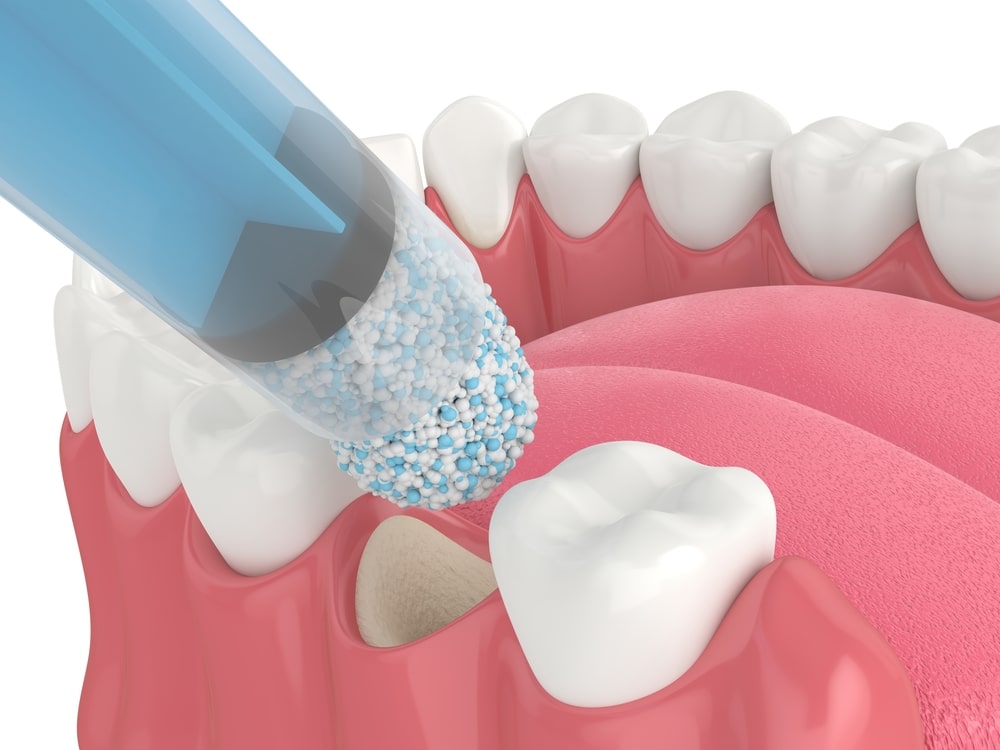
Bone grafting may be recommended when the jaw lacks sufficient bone. A graft uses an appropriate material to increase or rebuild bone in a particular area. After healing, the site may provide better support for an implant. Our bone grafting treatment is considered where extra bone support is clinically necessary.
A sinus lift may be appropriate for some patients who need implants towards the back of the upper jaw. It increases available bone height beneath the sinus lining.
Not everyone requires these procedures. Whether grafting is suitable depends on the location and amount of bone loss, general health and the proposed implant position. Your dentist will explain the benefits, limitations and likely additional healing time.
How Long Must You Wait After Gum Disease Treatment?
There is no fixed waiting period suitable for every patient. The timeline depends on how severe the periodontitis was, how well your gums respond to treatment and whether further surgery or bone grafting is required.
Your dental team may recommend a period of demonstrated periodontal stability before proceeding. This allows them to check that inflammation remains controlled and that you can maintain effective cleaning habits.
If a damaged tooth also needs removing, the time between tooth extraction and dental implant placement will depend on socket healing, infection control and available bone. Some implant procedures can be performed sooner than others, but the safest timing must be determined individually.
Waiting can feel frustrating when you have a visible gap, but placing an implant before the tissues are ready may create unnecessary problems. Your dentist can discuss temporary tooth replacement options if appearance or function is a concern while your gums heal.
What Happens at a Dental Implant Consultation?
We begin by reviewing your dental and medical history, including any previous periodontal treatment. We then assess the condition of your gums, remaining teeth, bite and supporting bone.
Depending on your needs, your consultation may cover:
- Gum health: Signs of bleeding, inflammation or persistent periodontal pockets.
- Bone levels: Whether enough bone is present for the proposed implant.
- Risk factors: Smoking, diabetes, medicines and other factors affecting healing.
- Treatment planning: Whether periodontal treatment, extraction or grafting is required first.
- Aftercare: How you will clean and maintain the implant over time.
We will explain whether dental implants are suitable and discuss alternatives where necessary. The cost of private dental treatment can also vary with the complexity of your case, particularly if preparatory procedures are needed. You should receive an individual treatment plan and fee estimate before deciding to proceed.
How Can You Protect Your Gums and Implants?
Controlling gum disease before surgery is only the beginning. Good daily care and regular professional reviews help protect both your natural teeth and implants.
Clean thoroughly every day
Brush twice daily with fluoride toothpaste and clean between your teeth using interdental brushes, floss or other aids recommended for you. Maintaining good oral health means removing plaque consistently, including around implant-supported crowns and bridges. Your dental team can show you the best technique for your restoration.
Keep maintenance appointments
Regular examinations and hygiene visits help identify bleeding, inflammation, plaque deposits and changes around implants. If you have had periodontitis, you may need more frequent reviews according to your individual risk.
Address preventable risk factors
Smoking increases the risk of periodontal problems and implant complications. Stopping smoking is beneficial before and after treatment. If you have diabetes, good blood glucose management and communication between your dentist and medical team are also important.
Report changes promptly
Contact your dentist if you notice persistent bleeding, swelling, tenderness, discharge or movement around an implant. Early peri-implant disease may cause little pain, so do not rely on discomfort alone as a warning sign.
What If Dental Implants Are Not Suitable?
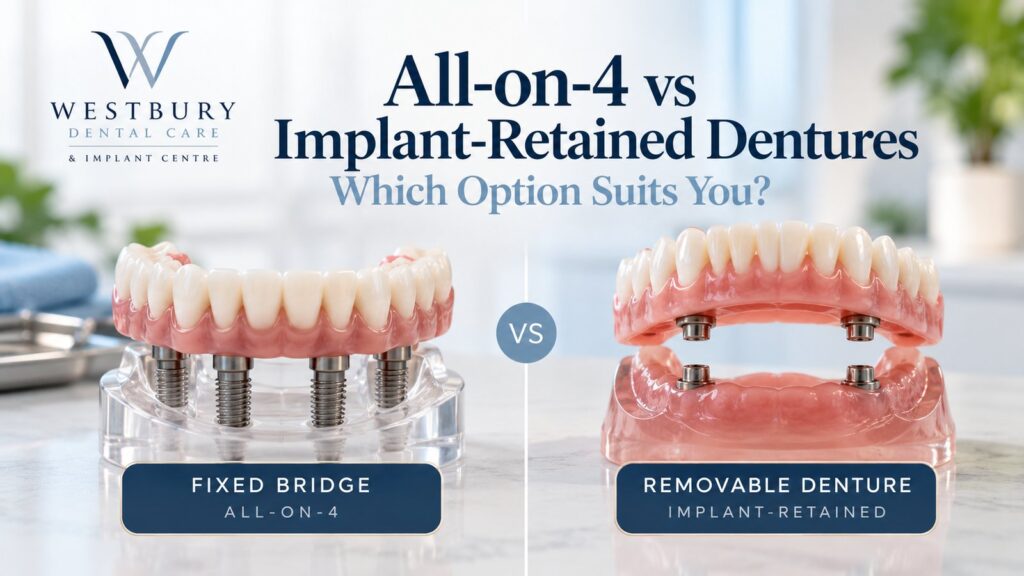
If periodontitis cannot yet be controlled, bone support is inadequate or other risks make implants unsuitable, you may still have ways to replace a missing tooth. Dental options for replacing missing teeth include fixed bridges, removable partial dentures and full dentures.
Each option has different implications for neighbouring teeth, cleaning, comfort and long-term maintenance. Where gum disease is active, treating the infection and protecting your remaining natural teeth will generally take priority over replacement work.
Your dentist can help you understand which choices are realistic for your circumstances without rushing into treatment before your mouth is ready. A bridge may not be suitable if neighbouring teeth have inadequate periodontal support, for example, while dentures require careful fitting and cleaning. There is no single best solution for everyone.
Our Final Say!
Having gum disease does not necessarily prevent you from getting dental implants. The important point is that active periodontitis should be treated and stabilised first. This reduces avoidable risks and gives your dentist a clearer picture of the bone and gum support available.
Some people can proceed after periodontal treatment and monitoring, while others may need additional care, such as bone grafting. A history of gum disease also means careful cleaning and regular maintenance will remain essential after implants are fitted.
At Westbury Dental Care & Implant Centre in New Malden, we can assess your gum health and discuss whether implants are a suitable option. If you have missing teeth or concerns about periodontitis, contact our dental team to arrange an individual assessment.