Did you know that almost 75% of British people do not have a full set of natural teeth? Dental Options for Replacing Missing Teeth have become increasingly important as tooth loss affects a significant portion of the population.
In fact, according to a National Health and Nutrition Examination Survey, about 92% of adults between 20 and 65 suffer from tooth decay, which often leads to missing teeth. Leaving gaps unfilled can cause neighboring teeth to shift, create difficulties with chewing, and even change your facial appearance due to bone loss. Additionally, healthy teeth support one another, and missing even a single tooth can lead to the overeruption of opposing teeth, causing sensitivity and other complications.
Fortunately, we have several teeth replacement options available today. While dental implants starting from £1280 are generally the preferred choice because they support bone structure and can last many years, other options for missing teeth include dental bridges (approximately £2370) and dentures (around £500). Each option has its own advantages depending on your specific situation.
In this article, we’ll explore these various missing teeth solutions in detail, helping you understand which tooth replacement option might be best for your needs, budget, and lifestyle.
Why Replacing Missing Teeth Matters
Leaving gaps in your smile affects much more than just appearance. When considering your dental options for replacing missing teeth, understanding the consequences of not taking action is essential.
Impact on chewing and speech
Missing teeth directly affect your ability to chew properly, especially when dealing with nutritious but fibrous foods like vegetables and fruits. Consequently, many people with tooth loss avoid these nutritionally packed foods, potentially affecting overall health. This difficulty with chewing places additional stress on remaining teeth, forcing them to work harder than they were designed to.
Furthermore, tooth loss significantly impacts speech clarity. Missing front teeth make pronouncing certain words particularly challenging. Common words like “shoe,” “gym,” “zoo,” and “fish” become difficult to articulate. This speech impediment can erode self-confidence, making social interactions uncomfortable and sometimes leading to depression affecting both work and personal life.
Bone loss and gum shrinkage
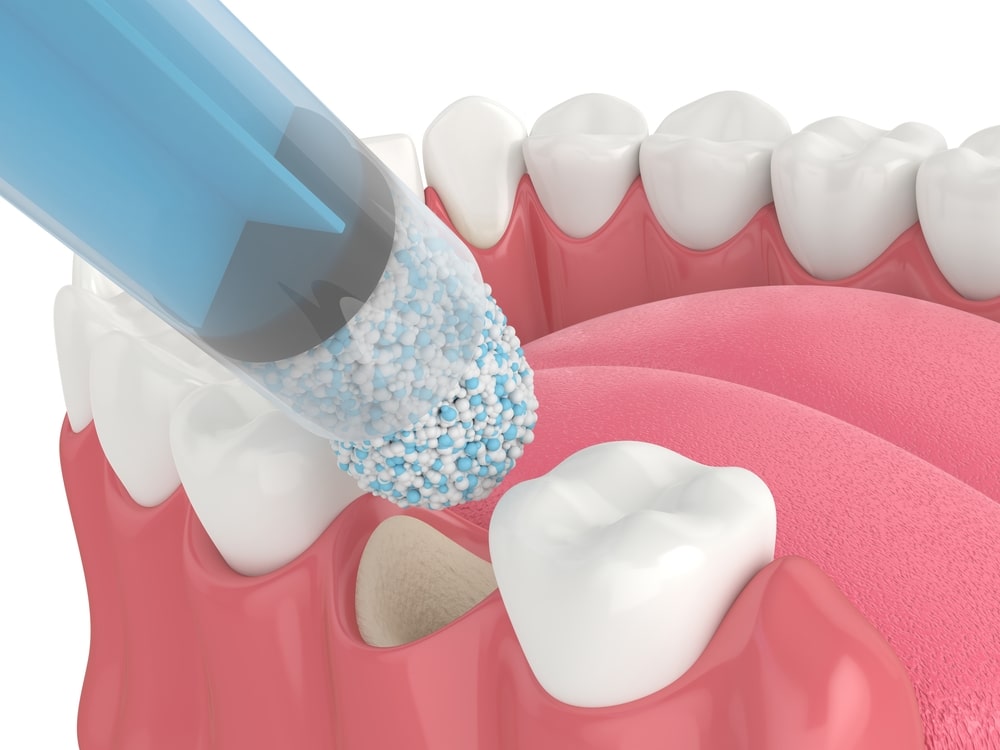
Perhaps the most serious consequence of missing teeth is what happens beneath the surface. When a tooth is lost, the jawbone no longer receives stimulation from the tooth root. This lack of stimulation triggers a process called resorption, where the bone gradually deteriorates.
Over time, this bone loss changes your facial structure, creating a sunken, aged appearance. Your cheeks may sag, and premature wrinkles can form around your mouth. Additionally, gums begin to recede in the empty space, potentially exposing the roots of adjacent teeth and increasing sensitivity.
Shifting of nearby teeth
Healthy teeth work as a team – each tooth supports the others, maintaining proper alignment. Without this natural support system, neighboring teeth begin to drift toward the empty space. This shifting doesn’t happen immediately but progresses gradually.
As teeth shift, they often tilt or lean inward, changing your bite and creating new problems. This misalignment makes proper cleaning difficult, allowing bacteria to build up in hard-to-reach areas. The resulting difficulty in cleaning increases risk of cavities, gum disease, and potentially more tooth loss.
Moreover, the shifting can place strain on your temporomandibular joint (TMJ), potentially causing discomfort, pain, or headaches. Orthodontic treatment may eventually be needed to correct these bite issues.
Understanding these potential consequences makes it clear why exploring tooth replacement options is so important for long-term oral health and quality of life.
Option 1: Dentures
Among the various tooth replacement options available, dentures remain one of the most common and affordable solutions for missing teeth. These removable prostheses can restore both function and appearance when natural teeth are lost.
Types of dentures: full vs partial
Dentures come in two main types: full and partial. Full dentures replace an entire arch of missing teeth in either the upper or lower jaw. They consist of a plastic base that fits over your gums with artificial teeth attached. Full dentures rely on suction and sometimes adhesive to stay in place.
Partial dentures, conversely, are used when some natural teeth remain. They fill gaps between existing teeth and are secured using metal clasps that hook around your remaining natural teeth. This provides additional stability while preventing other teeth from shifting.
Pros and cons of using dentures
Dentures offer several advantages as a tooth replacement option. They improve chewing function, enhance appearance, and restore proper speech. Additionally, dentures are typically less expensive than other options and don’t require surgery.
Nevertheless, dentures have limitations. Many wearers experience challenges with stability—dentures may shift, wobble, or slip during speaking or eating. Initially, dentures might feel bulky and odd, requiring an adjustment period. Furthermore, bone loss continues beneath dentures since they don’t stimulate the jawbone like natural tooth roots.
How to care for dentures
Proper denture care is essential for longevity and oral health:
- Clean dentures daily using a soft brush and non-abrasive cleaner (avoid toothpaste as it can scratch the surface)
- Soak dentures in a cleaning solution for about 20 minutes (not overnight)
- Handle with care over a water-filled basin to prevent breakage if dropped
- Remove dentures at night to give your gums rest
- Rinse after meals to remove food particles
- Schedule regular dental check-ups for professional cleaning and adjustments
Remember that dentures typically last 5-7 years before needing replacement. With proper care, they can certainly be an effective option for replacing missing teeth.
Option 2: Dental Bridges
Bridges offer a fixed solution to replace missing teeth, unlike the removable dentures discussed previously. As the name suggests, a dental bridge literally “bridges” the gap created by a missing tooth with a false tooth bonded to natural teeth on either side.
How bridges work
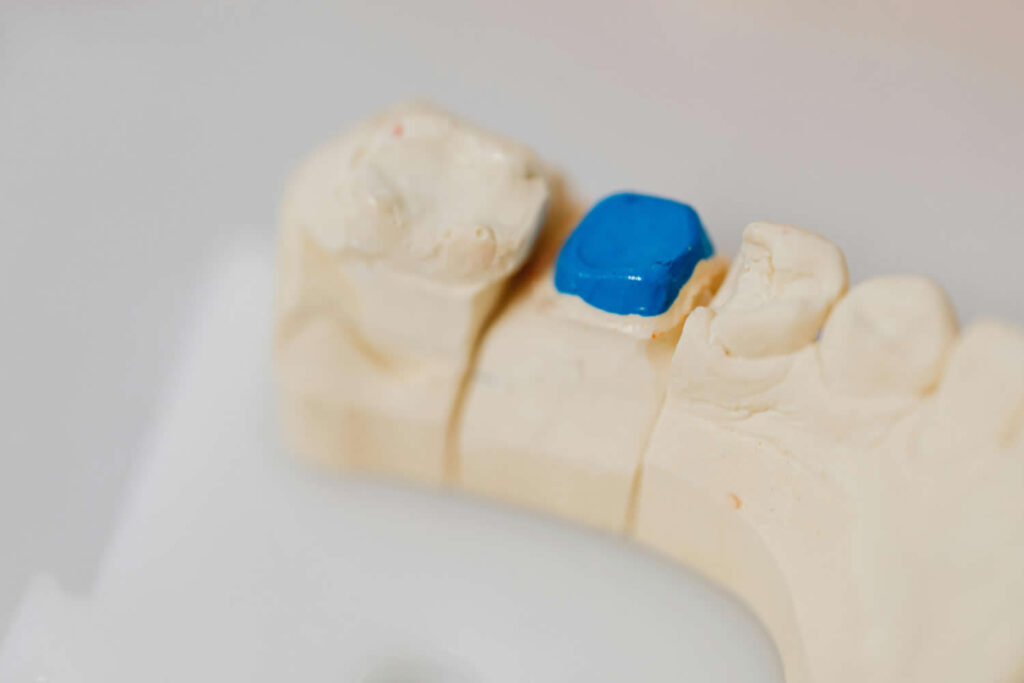
Essentially, a dental bridge consists of two main components: the pontic (artificial tooth) and the abutments (supporting structures). Traditional bridges, the most common type, feature dental crowns on both ends with artificial teeth in between. The crowns are permanently bonded to your natural teeth adjacent to the gap, thereby anchoring the artificial teeth in place.
Several bridge types exist:
- Traditional bridges – requiring healthy teeth on both sides of the gap
- Cantilever bridges – using only one adjacent tooth for support
- Maryland bridges – using metal wings instead of crowns
- Implant-supported bridges – resting on dental implants rather than natural teeth
The procedure typically requires two dental visits. First, your dentist prepares the neighboring teeth by filing them down and takes impressions. Next, your dentist fits the custom-made bridge during your second appointment, ensuring proper bite alignment.
When bridges are a good choice
Bridges work best for patients with strong, healthy teeth adjacent to the gap. Ideally, they’re suitable when surrounding teeth already have crowns or large fillings. Bridges prevent remaining teeth from shifting into empty spaces, distribute biting forces properly, and restore proper chewing function.
Compared to some alternatives, bridges offer faster results. After preparation, the entire process usually takes just a few weeks to complete. Bridges also prove more cost-effective than certain options, making them accessible for those seeking reliable solutions within budget constraints.
Limitations and long-term care
Despite their benefits, bridges require alteration of healthy adjacent teeth, which is irreversible. This preparation may cause sensitivity in some individuals. Although durable, bridges typically last 5-15 years, ultimately requiring replacement.
Maintaining proper oral hygiene around bridges can be challenging yet crucial. To extend their lifespan:
- Brush twice daily with fluoride toothpaste
- Clean underneath daily using floss threaders or interdental brushes
- Avoid extremely hard or sticky foods
- Schedule regular dental checkups
Notably, unlike implants, bridges don’t prevent jawbone loss over time, as they lack the stimulation provided by natural tooth roots. Furthermore, inadequate cleaning can lead to gum disease or decay in supporting teeth, potentially compromising the entire restoration.
Option 3: Dental Implants
For those seeking a permanent replacement for missing teeth, dental implants offer the closest alternative to natural teeth. Often referred to as the “third set of teeth,” implants provide remarkable durability and functionality.
What is a dental implant?
A dental implant is a small titanium screw surgically inserted into the jawbone to replace the root of a missing tooth. The implant fuses with the jawbone through a process called osseointegration, creating a stable foundation for an artificial tooth (crown). This integration ensures the implant functions similarly to a natural tooth, providing a permanent solution to tooth loss.
Benefits of implants over other options
Dental implants stand out among tooth replacement options for several reasons:
- Longevity: Studies show 4 out of 5 implants remain successful after 20 years
- Bone preservation: Unlike dentures or bridges, implants stimulate the jawbone, preventing deterioration
- Stability: Implants don’t slip or cause discomfort during speaking or eating
- Natural function: They restore full chewing power, allowing you to eat without restrictions
- No impact on adjacent teeth: Unlike bridges, implants don’t require altering healthy neighboring teeth
Who is a good candidate for implants
Most adults with good general health can receive dental implants. Ideal candidates have healthy gums, sufficient jawbone density, and are committed to excellent oral hygiene. However, certain factors may affect suitability, including uncontrolled diabetes, active gum disease, or smoking habits. Furthermore, patients with insufficient jawbone may require bone grafting procedures before implant placement.
Cost and recovery considerations
Dental implant treatment typically starts from £2,400 for a single implant. While initially more expensive than alternatives, their longevity often makes them cost-effective long-term. Recovery involves several phases, with complete healing taking between four to eight months. Initially, you might experience some swelling, bruising, and discomfort manageable with regular painkillers. Afterward, maintaining implants requires regular dental check-ups and proper cleaning, similar to natural teeth.
Our Final Say!
Choosing the right solution for missing teeth remains a personal decision based on your specific needs, budget, and oral health. Throughout this article, we’ve explored three primary options that serve different requirements and circumstances.
Dentures offer an affordable, non-invasive solution particularly suitable for those needing multiple teeth replaced. Though they require regular maintenance and replacement every 5-7 years, many patients find them perfectly adequate for restoring basic function and appearance.
Dental bridges, alternatively, provide a fixed solution that feels more permanent than dentures. These work exceptionally well when you have healthy teeth adjacent to the gap and want a solution that doesn’t require removal for cleaning. Remember, however, that bridges necessitate altering healthy teeth and typically last 5-15 years before needing replacement.
Dental implants, undoubtedly, represent the closest option to natural teeth. Their ability to preserve jawbone and provide decades of reliable function makes them worth considering despite the higher initial investment. Most importantly, implants don’t affect neighboring teeth and restore nearly 100% of natural chewing function.
We cannot overstate the importance of addressing missing teeth promptly. Regardless of which option you choose, taking action prevents further complications such as bone loss, shifting teeth, and changes to your facial structure. Each passing year without replacement potentially complicates future treatment options.
Your dentist remains your best resource for determining which solution fits your specific situation. Schedule a consultation to discuss these options thoroughly, considering factors like your overall health, lifestyle needs, and long-term oral health goals.
After all, your smile affects not just your appearance but your confidence and quality of life. Making an informed decision today will ensure you enjoy the benefits of a complete, functional smile for years to come.